Gen Z vs Millennials: The New Face of Competitive Gaming
How Generation Z is revolutionizing esports through mobile-first competitions, bite-sized sessions, and seamless social media integration
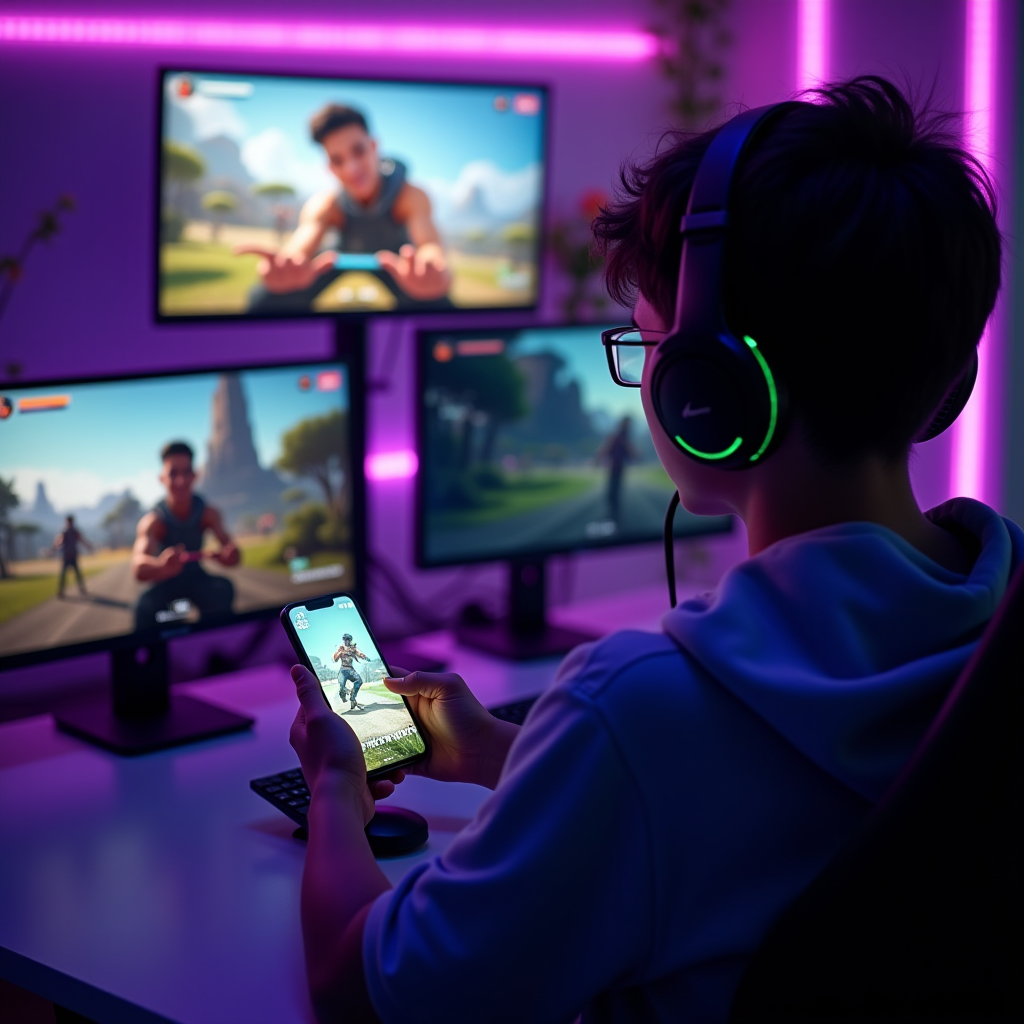
The competitive gaming landscape is undergoing a seismic shift, and it's not just about new game titles or emerging platforms. Generation Z players are fundamentally rewriting the rules of esports, bringing with them a completely different approach to competitive play that stands in stark contrast to the Millennial generation that pioneered modern esports culture. This transformation isn't merely generational—it represents a paradigm shift in how competitive gaming is consumed, shared, and experienced.
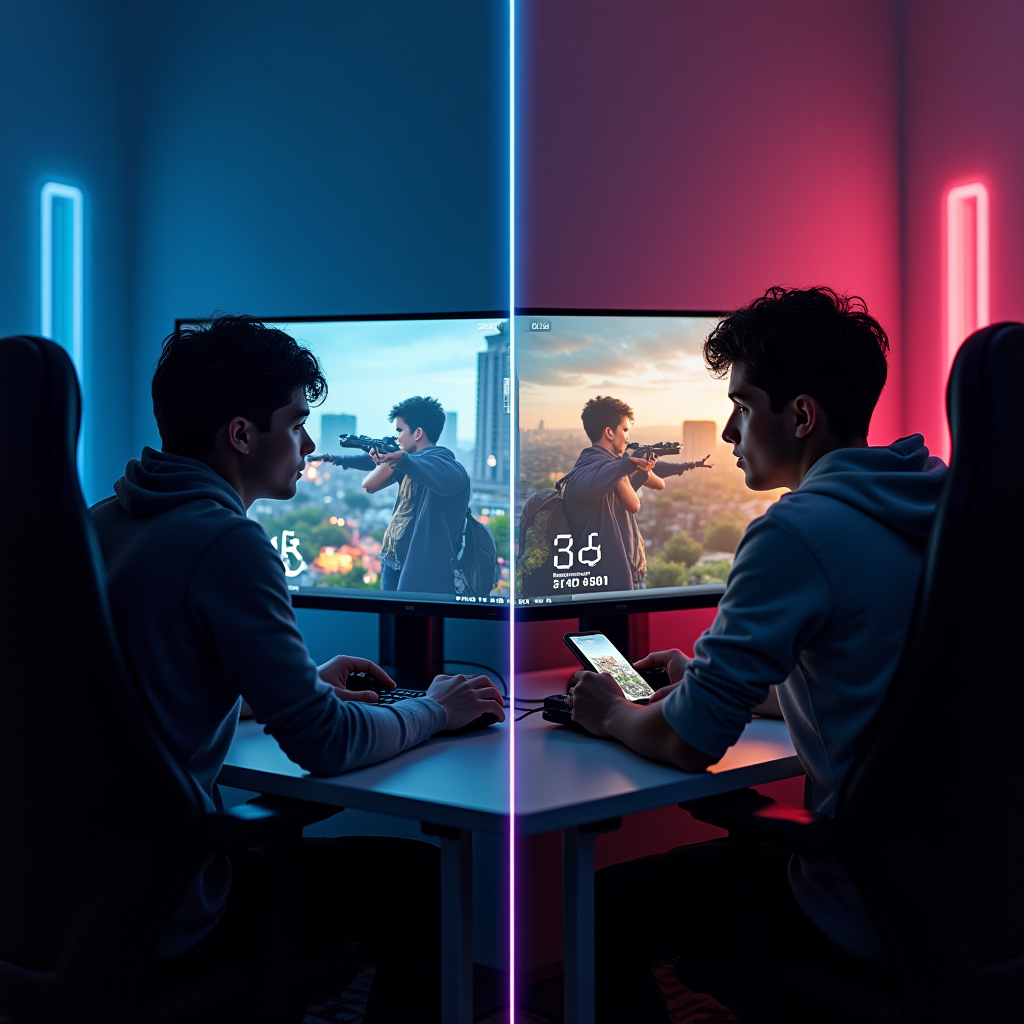
While Millennials built esports around PC gaming marathons, dedicated streaming setups, and lengthy tournament formats, Gen Z has embraced a mobile-first, socially-integrated approach that prioritizes accessibility, shareability, and instant gratification. Understanding these differences isn't just academic—it's essential for anyone involved in the esports industry, from tournament organizers to game developers and sponsors.
The Mobile-First Revolution: Gaming Anywhere, Anytime
Perhaps the most striking difference between Gen Z and Millennial esports players lies in their platform preferences. Generation Z has grown up in a world where smartphones are as powerful as yesterday's gaming PCs, and this has fundamentally shaped their competitive gaming habits. Unlike Millennials who cut their teeth on League of Legends, Counter-Strike, and Dota 2—games that demanded dedicated gaming rigs and stationary play sessions—Gen Z gravitates toward mobile titles like PUBG Mobile, Call of Duty Mobile, Clash Royale, and Brawl Stars.
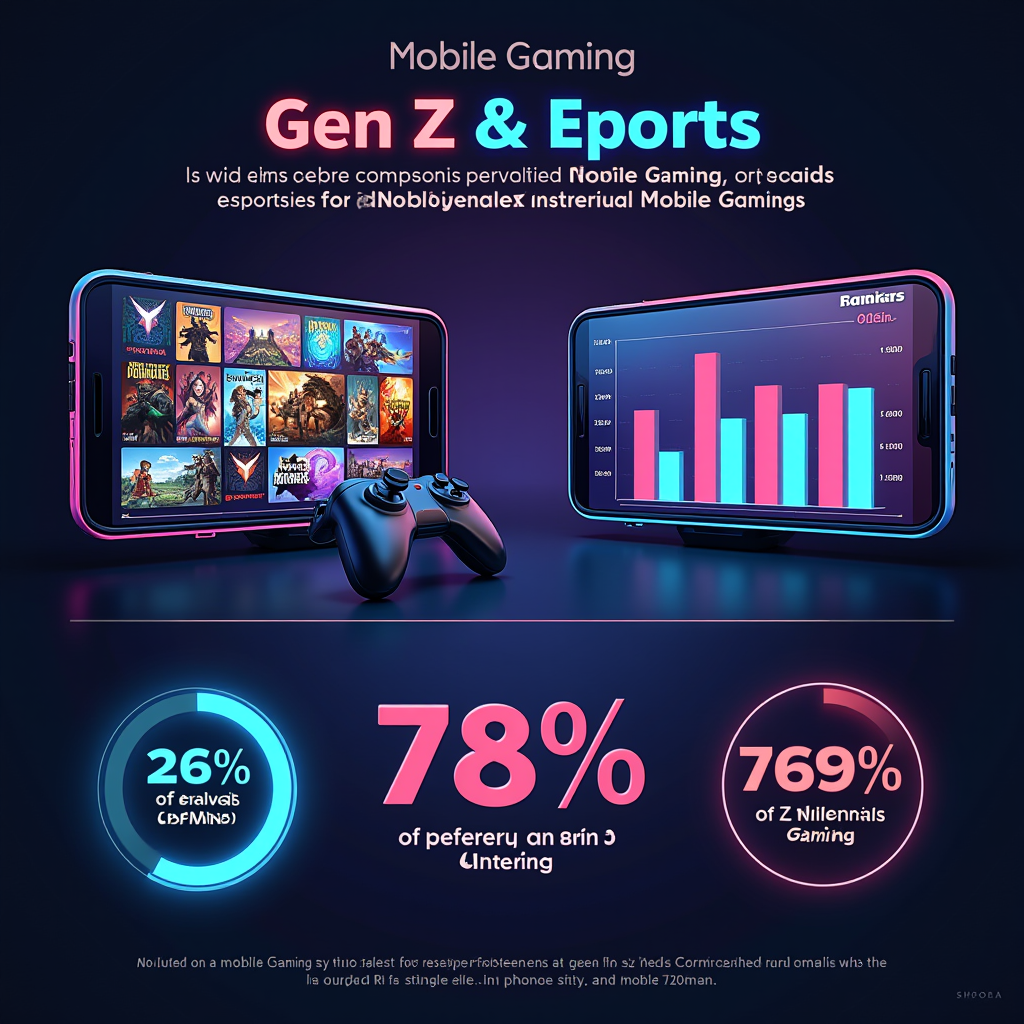
This shift toward mobile gaming isn't just about convenience—it represents a fundamental reimagining of what competitive gaming can be. Gen Z players don't see the need to be tethered to a desk to prove their competitive prowess. They compete during commutes, between classes, during lunch breaks, and even while socializing with friends. The barrier to entry is dramatically lower: no expensive gaming PC required, no dedicated gaming space needed, just a smartphone and an internet connection.
The Economics of Mobile Esports
The mobile-first approach has also democratized competitive gaming in ways that traditional PC esports never could. In developing markets across Southeast Asia, Latin America, and Africa, mobile esports has exploded precisely because it eliminates the economic barriers that kept millions of potential competitors out of the PC gaming ecosystem. A competitive gaming PC might cost $1,500-$3,000, but a capable gaming smartphone can be had for $300-$500, and many Gen Z players compete effectively on even more affordable devices.
This accessibility has created a truly global competitive landscape. Tournament organizers report that mobile esports events draw participants from countries that barely registered in traditional PC esports demographics. The result is a more diverse, more inclusive competitive gaming ecosystem that better reflects the global gaming population.
Bite-Sized Competition: The Death of the Marathon Session
If mobile platforms represent the hardware revolution in Gen Z esports, then shorter game sessions represent the temporal revolution. Generation Z has fundamentally rejected the marathon gaming sessions that defined Millennial esports culture. Where Millennials might dedicate 3-4 hours to a single ranked session in League of Legends or spend an entire evening grinding through competitive matches, Gen Z players prefer games designed around 10-15 minute matches.
The Attention Economy Factor
This isn't about shorter attention spans—it's about optimization and efficiency. Gen Z has grown up in an attention economy where content competes fiercely for every second of engagement. They've learned to maximize value from shorter time investments, and they apply this same logic to competitive gaming. Why commit to a 45-minute League of Legends match when you can play three 15-minute Brawl Stars matches in the same time, each offering a complete competitive arc with clear winners and losers?
This preference for shorter sessions has forced game developers to rethink competitive game design. The most successful Gen Z esports titles feature rapid match cycles, quick respawns, and compressed competitive arcs. Games like Clash Royale distill the strategic depth of traditional MOBAs into 3-minute matches. PUBG Mobile offers multiple game modes with varying time commitments, from quick 15-minute matches to longer battle royale sessions, giving players control over their time investment.
Tournament Format Evolution
This shift has also transformed tournament structures. Traditional esports tournaments often span entire weekends, with individual matches lasting 30-60 minutes. Gen Z-focused mobile esports tournaments have adapted to shorter formats: rapid-fire bracket systems, best-of-three matches that can be completed in under an hour, and even asynchronous tournament formats where players compete on their own schedules within designated time windows.
TikTok and the Social Media Integration Revolution
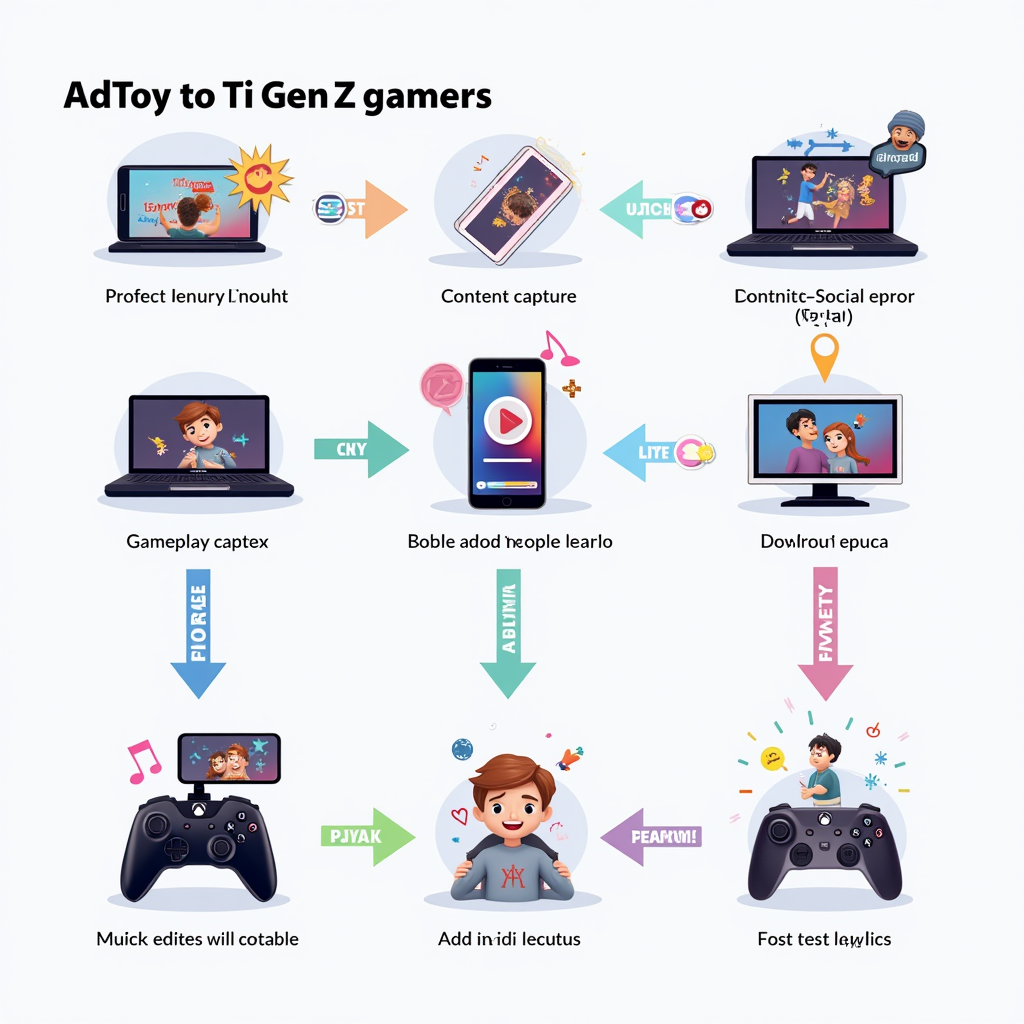
Perhaps nothing distinguishes Gen Z esports culture from its Millennial predecessor more dramatically than the integration of social media—particularly TikTok—into the competitive gaming experience. For Gen Z, competitive gaming and content creation are inseparable. They don't just play competitively; they document, share, and build their identities around their competitive gaming experiences in real-time.
Millennials pioneered game streaming through platforms like Twitch, but their approach was largely passive: viewers watched streamers play, occasionally interacting through chat. Gen Z has transformed this into an active, participatory experience through TikTok. They create 15-60 second highlight reels of clutch plays, tutorial content explaining advanced techniques, reaction videos to major esports moments, and even comedic content that blends gaming with broader internet culture.
The Virality Factor in Competitive Identity
This social media integration has created a new metric for competitive success: virality. Gen Z esports players measure their competitive identity not just by rank or tournament wins, but by social media engagement. A player might have a modest competitive ranking but command significant influence if their TikTok gaming content consistently goes viral. This has created a new class of "influencer-competitors" who straddle the line between professional player and content creator.
The impact on competitive gaming culture has been profound. Gen Z players are more likely to attempt flashy, high-risk plays that make for compelling content, even if they're not always the optimal competitive strategy. They've developed an aesthetic sense around competitive gaming—understanding which moments will resonate on social media and actively playing to create those moments.
Communication Styles: Discord vs. In-Game Voice
The generational divide extends to how players communicate during competitive play. Millennials built their competitive gaming culture around dedicated voice communication platforms—first TeamSpeak and Ventrilo, later Discord. Gen Z players, however, show a marked preference for in-game voice chat and text communication, reflecting their comfort with more fluid, less formal communication structures.
This isn't about technical capability—Gen Z players certainly use Discord for community building and social gaming. But in competitive contexts, they prefer the immediacy and simplicity of in-game communication tools. They're also more comfortable with text-based communication during matches, having grown up in an era where typing on mobile devices is second nature. Many Gen Z competitive players report using a hybrid approach: quick text callouts during intense moments, voice for strategic discussions between rounds.
The Solo Queue Mentality
Related to this communication shift is Gen Z's greater comfort with solo queue competitive play. While Millennials often preferred organized team play with established rosters and regular practice schedules, Gen Z players are more likely to grind ranked ladders solo, forming temporary alliances with random teammates and moving on to the next match. This reflects both their mobile-first gaming habits (harder to coordinate five-person teams when everyone's gaming on the go) and their comfort with fluid social structures.
Monetization and Competitive Motivation
The motivations driving competitive play have also evolved between generations. Millennial esports players were often motivated by the dream of going pro—earning a salary from a professional team, competing in major tournaments, and making gaming their career. While this aspiration still exists among Gen Z players, they've added new dimensions to their competitive motivations.
Gen Z players are more likely to view competitive gaming as one component of a broader personal brand. They see opportunities in content creation, influencer marketing, and building engaged social media followings that can be monetized through various channels. A Gen Z player might earn more from TikTok sponsorships and YouTube ad revenue than from tournament winnings, and they're comfortable with this hybrid model.
Microtransactions and Competitive Advantage
Gen Z players also show different attitudes toward in-game purchases. Having grown up with free-to-play mobile games as the norm, they're more accepting of cosmetic microtransactions and battle passes as part of the competitive gaming experience. They view these purchases not just as game enhancements but as expressions of identity and status within their gaming communities. A rare skin or exclusive emote becomes part of their competitive persona, featured prominently in their social media content.
The Future of Competitive Gaming: A Hybrid Model
As we look toward the future of esports, it's clear that neither the Millennial nor Gen Z approach will completely dominate. Instead, we're likely to see a hybrid model emerge that incorporates the best elements of both generational approaches. Traditional PC and console esports will continue to thrive, particularly for games that benefit from precise controls and complex strategic depth. But mobile esports will continue its explosive growth, particularly in markets where mobile devices are the primary gaming platform.
Tournament organizers are already adapting, creating multi-platform events that feature both traditional and mobile competitions. Game developers are designing titles that work across platforms, allowing players to compete on their preferred devices. And the line between content creator and competitive player continues to blur, with successful esports athletes expected to maintain active social media presences and engage with fans through multiple channels.
Key Takeaways for the Industry
- Platform flexibility is essential: Future esports titles must work seamlessly across mobile, PC, and console
- Session length matters: Competitive games need to offer both quick matches and deeper experiences
- Social integration is non-negotiable: Built-in content creation and sharing tools are now expected features
- Accessibility drives growth: Lower barriers to entry create larger, more diverse competitive communities
- Content creation is competitive play: The line between playing and creating content has dissolved
Conclusion: Understanding the Generational Shift
The differences between Gen Z and Millennial approaches to competitive gaming aren't just interesting cultural observations—they represent fundamental shifts in how esports will evolve over the coming decade. Gen Z's mobile-first, socially-integrated, bite-sized approach to competitive gaming isn't replacing traditional esports; it's expanding the definition of what competitive gaming can be.
For Millennials who pioneered modern esports, understanding these generational differences is crucial for staying relevant in an evolving industry. For Gen Z players, recognizing the foundations laid by previous generations helps contextualize their innovations. And for the industry as a whole—developers, tournament organizers, sponsors, and platforms—adapting to these generational preferences while maintaining the core competitive integrity that makes esports compelling is the key challenge ahead.
The future of esports isn't about one generation winning over another—it's about creating an ecosystem diverse enough to accommodate different play styles, time commitments, and competitive motivations. As Gen Alpha begins to enter the competitive gaming space, bringing their own unique perspectives and preferences, the industry's ability to adapt and evolve will determine its continued growth and cultural relevance.
What's certain is that competitive gaming has never been more accessible, more social, or more diverse than it is today. And that's something both Millennials and Gen Z can celebrate together, even if they're doing it on different platforms and sharing it through different social media channels.