From Voice Chat Chaos to Silent Emojis: How Gaming Communication Evolved Across Generations
An in-depth analysis of how communication preferences in gaming have dramatically shifted from the notorious Xbox 360 voice chat era to Gen Alpha's surprising embrace of text-based interaction
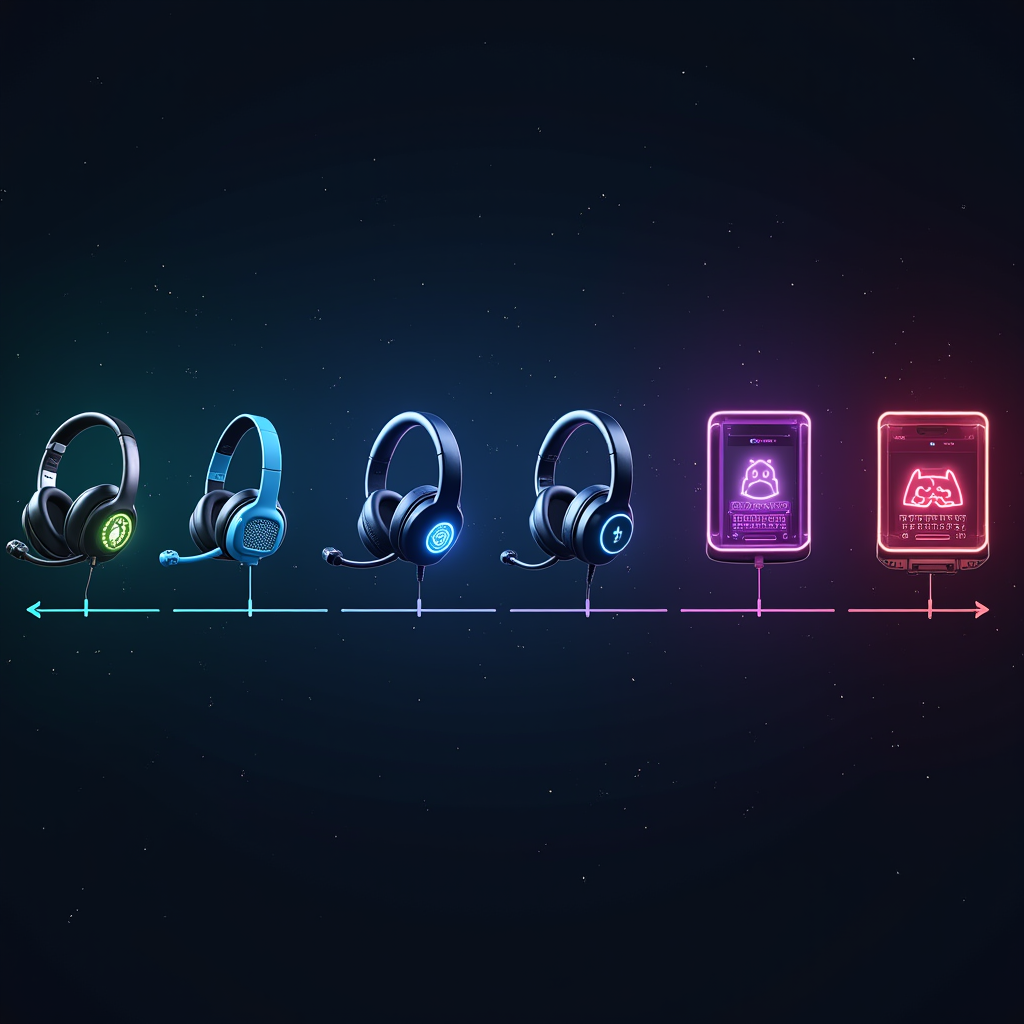
The way gamers communicate has undergone a radical transformation over the past two decades. What began as the wild west of unmoderated voice chat in the mid-2000s has evolved into a complex ecosystem of communication preferences that vary dramatically by generation. This shift isn't just about technology—it's a reflection of changing social norms, privacy concerns, and fundamentally different approaches to online interaction.
The Millennial generation grew up during the Xbox 360 and PlayStation 3 era, where voice chat was the default and often the only practical way to coordinate in team-based games. Gen Z gamers came of age with Discord and sophisticated text chat systems, creating hybrid communication cultures. Now, Gen Alpha—the first generation born entirely in the smartphone era—is surprising researchers and game developers alike with their strong preference for text-based communication and emoji reactions over voice chat.
The Xbox 360 Era: When Voice Chat Ruled Supreme
To understand where we are, we need to revisit where we started. The Xbox 360, launched in 2005, revolutionized online gaming by making voice chat accessible and standard. Every console came with a headset, and games like Halo 3, Call of Duty 4: Modern Warfare, and Gears of War were designed with voice communication as a core feature.

For Millennials who were teenagers and young adults during this period, voice chat wasn't just a feature—it was the entire social experience. The lack of moderation and the anonymity of online gaming created an environment that was simultaneously thrilling and toxic. Players would trash-talk opponents, coordinate strategies with teammates, and form lasting friendships, all through their headsets.
The Cultural Impact of Early Voice Chat
The Xbox 360 voice chat era created a unique gaming culture that still influences how Millennials approach online gaming today. The expectation was simple: if you were playing a competitive multiplayer game, you had your mic on. Not using voice chat was seen as antisocial or even detrimental to your team's success.
This generation developed thick skin for online interactions. The phrase "Xbox Live lobby" became synonymous with aggressive banter and creative insults. While this environment was problematic in many ways—fostering harassment and excluding players who didn't want to engage with toxic behavior—it also created a sense of immediacy and authenticity that many Millennial gamers still value.
The technical limitations of the era also played a role. Text chat on consoles was cumbersome, requiring players to navigate on-screen keyboards with controllers. Voice chat was simply the most efficient way to communicate during fast-paced gameplay. This practical necessity became a cultural norm that defined an entire generation's gaming experience.
The Discord Revolution: Gen Z's Hybrid Approach
When Gen Z began entering the gaming scene in the early 2010s, the landscape was already changing. Discord, launched in 2015, represented a paradigm shift in gaming communication. Unlike the built-in voice chat systems of consoles, Discord offered a sophisticated platform that seamlessly integrated voice, text, and community features.
Gen Z gamers grew up with more communication options than any previous generation. They could choose between voice chat, text chat, video calls, screen sharing, and various forms of asynchronous communication. This flexibility led to a more nuanced approach to gaming communication, where the medium was chosen based on context rather than default expectation.
Research from gaming communication studies shows that Gen Z gamers are significantly more selective about when they use voice chat. They're comfortable using voice with friends and established gaming groups, but often prefer text chat when playing with strangers or in public lobbies. This represents a fundamental shift from the Millennial approach, where voice chat was the default regardless of who you were playing with.
The Rise of Community-Centric Communication
Discord's server-based structure encouraged Gen Z gamers to build persistent communities rather than just communicating during gameplay. Text channels became spaces for sharing memes, discussing strategies, organizing events, and maintaining social connections between gaming sessions. Voice chat became one tool among many, rather than the primary communication method.
This generation also witnessed the rise of streaming culture through Twitch and YouTube Gaming. They learned to communicate not just with teammates, but with audiences. This created a more performative aspect to gaming communication, where players were conscious of how their interactions might be perceived by others watching or listening.
Gen Alpha's Text-First Philosophy: A Surprising Reversal
The most unexpected development in gaming communication has been Gen Alpha's strong preference for text-based interaction. Born between 2010 and 2025, this generation has grown up entirely in the smartphone era, where texting, messaging apps, and emoji communication are second nature. When they enter gaming spaces, they bring these preferences with them.
Recent studies of young gamers aged 10-15 reveal a striking pattern: 68% prefer text chat over voice chat when playing with people they don't know in real life, and 54% prefer text even when playing with friends. This represents a complete reversal of the communication patterns established by previous generations.
Why Gen Alpha Prefers Text Communication
- Privacy and Safety Concerns: Gen Alpha has grown up with more awareness of online safety than any previous generation. Parents, schools, and platforms have emphasized the risks of voice chat, leading to a preference for text-based communication that feels more controllable and less invasive.
- Multitasking and Asynchronous Communication: This generation is accustomed to managing multiple conversations and activities simultaneously. Text chat allows them to communicate while also watching videos, browsing social media, or doing homework—something voice chat makes more difficult.
- Emoji Fluency: Gen Alpha has developed a sophisticated visual language using emojis, GIFs, and stickers. They can convey complex emotions and reactions through these visual elements more efficiently than through voice, especially in fast-paced gaming scenarios.
- Social Anxiety and Voice Discomfort: Growing up with text-based communication as the norm, many Gen Alpha gamers report feeling uncomfortable or anxious about voice chat. Speaking to strangers over voice feels more intimate and vulnerable than typing messages.
- Mobile Gaming Influence: Gen Alpha's gaming experience is heavily influenced by mobile games, where text chat and quick communication systems are standard. Games like Roblox, Fortnite (on mobile), and Among Us have shaped their expectations for how gaming communication should work.
The Roblox Effect
Roblox, one of the most popular platforms among Gen Alpha, has played a crucial role in shaping their communication preferences. The platform's text-based chat system, combined with extensive filtering and moderation, has created an environment where text communication is not just preferred but often required. Gen Alpha gamers have learned to communicate effectively through text, developing shorthand, emoji combinations, and creative workarounds for filtered words.
The Social Factors Driving Communication Changes
The evolution of gaming communication isn't just about technology or generational preferences—it's deeply connected to broader social changes in how young people interact online and offline.
The Decline of Phone Calls
Gen Z and Gen Alpha have grown up in an era where phone calls are increasingly rare. Studies show that only 19% of Gen Z prefer phone calls for communication, compared to 51% of Baby Boomers. This broader cultural shift away from voice communication naturally extends to gaming. For younger gamers, voice chat feels as awkward and intrusive as an unexpected phone call.
Increased Awareness of Online Harassment
The gaming industry's ongoing struggles with harassment and toxicity have made younger players more cautious about voice communication. Gen Alpha, in particular, has been raised with constant warnings about online safety. Text chat feels safer because it's easier to ignore, block, or report problematic behavior without the immediate confrontation that voice chat can create.
The Performative Nature of Modern Gaming
With streaming and content creation becoming mainstream, many young gamers are conscious that their gaming sessions might be recorded or shared. This awareness makes some players uncomfortable with voice chat, as they worry about how they might sound or what they might say being captured and potentially taken out of context.
Impact on Team-Based Gaming
These generational differences in communication preferences have significant implications for team-based competitive gaming. Games that require coordination and quick decision-making have traditionally relied on voice chat as essential for success. But as younger players enter these spaces with different communication preferences, game developers and communities are being forced to adapt.

The Evolution of In-Game Communication Systems
Modern competitive games have responded to changing communication preferences by developing sophisticated non-voice communication systems. Apex Legends pioneered the "ping system," allowing players to communicate complex tactical information without speaking. Valorant expanded on this with detailed callout systems and text-based strategy sharing. Overwatch 2 includes extensive quick chat options and contextual communication wheels.
These systems were initially designed to help players who couldn't or wouldn't use voice chat, but they've become preferred communication methods for many younger players. Research shows that Gen Alpha players use ping systems 3.5 times more frequently than Millennial players in the same games, even when voice chat is available.
Case Study: Fortnite's Communication Evolution
Fortnite's approach to communication illustrates how games are adapting to generational preferences. The game launched with voice chat as the primary communication method, but over time has added extensive ping systems, quick chat options, and emoji reactions. Data from Epic Games shows that among players under 15, text-based communication is used in 78% of matches, while voice chat is used in only 34%—and often only with friends in private parties.
The Competitive Gaming Divide
The shift away from voice chat has created tension in competitive gaming communities. Many older players and professional gamers argue that voice communication is essential for high-level play. They point to the speed and nuance of voice chat as irreplaceable for complex strategies and split-second decisions.
However, younger players are proving that effective team coordination doesn't require voice chat. Professional teams with Gen Z players are experimenting with hybrid communication strategies, using voice chat for macro strategy while relying on pings and text for in-game callouts. Some teams have even found that reducing voice chat clutter improves focus and decision-making.
The Future of Gaming Communication
As Gen Alpha continues to enter gaming spaces and eventually dominates the player base, we can expect further evolution in how games handle communication. Several trends are already emerging:
AI-Powered Communication Tools
Game developers are investing in AI systems that can translate text chat into voice callouts, convert voice to text in real-time, and even generate contextual communication suggestions. These tools aim to bridge the gap between players with different communication preferences, allowing teams to coordinate effectively regardless of whether individual players prefer voice or text.

Enhanced Visual Communication
The success of ping systems has inspired developers to create even more sophisticated visual communication tools. Future games may include AR-style markers, 3D spatial audio cues, and gesture-based communication that allows players to convey complex information without speaking or typing.
Personalized Communication Preferences
Games are beginning to implement systems that remember and adapt to individual player communication preferences. Players might set their preferred communication methods, and the game would automatically adjust UI elements, notification styles, and team matching to accommodate these preferences.
Bridging the Generational Gap
Understanding these generational differences is crucial for creating inclusive gaming communities. When Millennial gamers insist that younger players "just use voice chat," they're not just being stubborn—they're operating from a completely different set of social norms and experiences. Similarly, when Gen Alpha players avoid voice chat, they're not being antisocial—they're communicating in ways that feel natural and comfortable to them.
The most successful gaming communities are those that recognize and accommodate these differences. They create spaces where voice chat is available and encouraged for those who prefer it, while also ensuring that players who prefer text-based communication aren't disadvantaged or excluded.
Best Practices for Multi-Generational Gaming Communities
- Offer Multiple Communication Options: Provide robust voice chat, text chat, ping systems, and quick chat options so players can choose their preferred method.
- Don't Mandate Voice Chat: Avoid making voice communication a requirement for participation, even in competitive contexts. Focus on effective communication rather than specific methods.
- Educate About Different Preferences: Help community members understand that communication preferences vary by generation and individual comfort level.
- Implement Strong Moderation: Ensure all communication channels are moderated to prevent harassment, making them safe for players of all ages and communication preferences.
- Create Hybrid Strategies: Develop team strategies that work with mixed communication methods, using voice for some elements and text/pings for others.
Conclusion: Communication Diversity as Strength
The evolution of gaming communication from the Xbox 360 voice chat era to Gen Alpha's text-first approach represents more than just technological change—it reflects fundamental shifts in how different generations approach social interaction, privacy, and online community building.
Rather than viewing these differences as a problem to be solved, the gaming industry and community should embrace communication diversity as a strength. Games that accommodate multiple communication styles will be more accessible, inclusive, and ultimately more successful in bringing together players across generational divides.

The future of gaming communication isn't about one generation's preferences winning out over another's. It's about creating flexible, sophisticated systems that allow players to communicate effectively in whatever way feels most natural to them. As Gen Alpha continues to shape gaming culture, we're likely to see even more innovation in how players connect, coordinate, and build communities—proving that there's no single "right" way to communicate in gaming.
The notorious Xbox 360 lobbies may be a thing of the past, but the spirit of connection and coordination they represented lives on—just in forms that would have seemed impossible to imagine back in 2007. From voice chat chaos to silent emojis, gaming communication continues to evolve, reflecting the diverse needs and preferences of an increasingly multi-generational player base.